
When summer temperatures soar, your air conditioner becomes your home’s lifeline to comfort. But with the system working overtime during peak heat, it’s crucial to ensure your AC runs as efficiently as possible to maintain a cool, comfortable environment without breaking the bank.
Efficient operation not only keeps energy bills down but also helps extend the lifespan of your unit. Here are some essential tips on how to keep your AC running efficiently during peak summer heat, especially when supported by professional installation for efficiency.
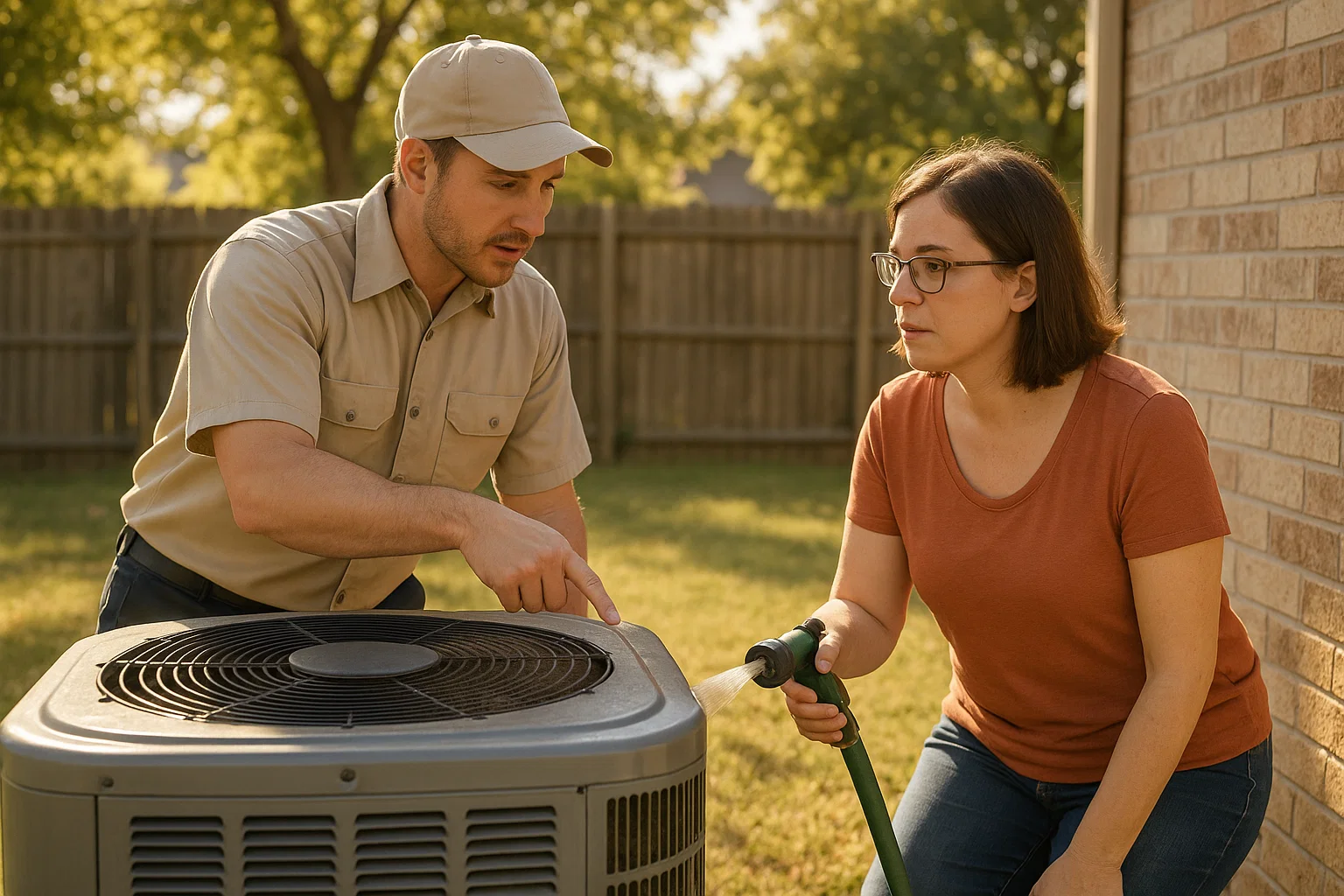
1. Schedule Professional AC Maintenance
One of the best ways to ensure efficient cooling is to have your AC system professionally inspected and tuned up at least once a year, ideally before the summer heat hits. A qualified HVAC technician will clean coils, check refrigerant levels, lubricate moving parts, inspect electrical components, and replace filters. This proactive approach prevents small issues, such as refrigerant leaks in AC systems, from turning into costly breakdowns and helps your AC run at peak efficiency.
2. Change or Clean AC Filters Regularly
Dirty filters restrict airflow, making your AC work harder to cool your home. During the summer months, it’s a good idea to check your air filters monthly and replace or clean them as needed. Clean filters improve airflow and indoor air quality, reduce energy consumption, and prevent undue wear on your system.
3. Keep Your Outdoor AC Unit Clear
Your outdoor condenser unit releases heat from inside your home. If it’s clogged with leaves, dirt, or debris, it won’t be able to dissipate heat effectively, forcing your system to work harder. Regularly inspect the area around your outdoor unit, clearing any plants, grass clippings, or debris at least two feet away from the unit. You can also gently hose down the fins to remove built-up dirt—but be sure to turn off power before cleaning.
4. Use Programmable or Smart Thermostats
Programmable and smart thermostats help reduce unnecessary cooling by adjusting temperatures based on your schedule. Setting your thermostat a few degrees higher when you’re not home or overnight can lead to significant energy savings. Smart thermostats also allow remote control from your phone, so you can cool your home just before you return, maximizing comfort without wasting energy.
5. Seal and Insulate Your Home for AC Efficiency
Air leaks around doors, windows, and ductwork cause cooled air to escape, making your AC work harder to maintain your desired temperature. Sealing gaps with weather stripping or caulk and ensuring your home is well insulated will keep cool air inside and hot air out. Properly sealed ductwork also improves system efficiency by preventing air loss.
6. Limit Indoor Heat Gain During Summer
Reduce internal heat sources by closing blinds or curtains during the hottest parts of the day, especially on south- and west-facing windows. Avoid using heat-generating appliances like ovens or clothes dryers during peak afternoon hours. Ceiling fans can also help circulate air and create a cooling effect without lowering the thermostat.
7. Avoid Overworking Your AC in Peak Heat
Set your thermostat to a comfortable but energy-conscious temperature, generally around 78°F when you’re home. Constantly lowering the temperature won’t cool your home faster but will increase energy usage. Trust your system to do its job efficiently at a reasonable setting, or explore new AC installation options if efficiency problems continue.
Frequently Asked Questions
Question: How can I keep my air conditioner efficient during peak summer heat?
Answer: To keep your air conditioner efficient during extreme summer temperatures, regularly replace or clean air filters, keep vents unobstructed, and ensure the outdoor unit is free from debris. Scheduling professional maintenance also helps your system run smoothly and prevents strain during periods of heavy use.
Question: Why does my AC struggle to keep up in very hot weather?
Answer: Air conditioners can struggle during peak heat because they are working against higher outdoor temperatures for longer periods. Poor insulation, dirty filters, or an aging system can make this worse. Ensuring proper maintenance and sealing air leaks can help improve performance during extreme conditions.
Question: What temperature should I set my thermostat during summer?
Answer: A recommended thermostat setting during summer is around 78 degrees Fahrenheit when you are home. This balance helps maintain comfort while keeping energy usage manageable. Raising the temperature slightly when you are away can further reduce strain on your system and lower utility costs.
Question: How often should I service my AC during heavy-use seasons?
Answer: During periods of heavy use like summer, it is best to have your AC system professionally serviced at least once before the season begins. Some homeowners also benefit from mid-season checkups to ensure everything continues running efficiently and to catch any developing issues early.
Question: What are simple ways to reduce AC workload in hot weather?
Answer: You can reduce your AC’s workload by using ceiling fans, closing blinds during the hottest parts of the day, and avoiding heat generating appliances when possible. Improving insulation and sealing air leaks also helps maintain indoor temperatures, allowing your system to operate more efficiently.
Since 1971 customers have trusted Coventry & Gattis A/C, Inc. to keep their homes safe and comfortable. Contact us today!