
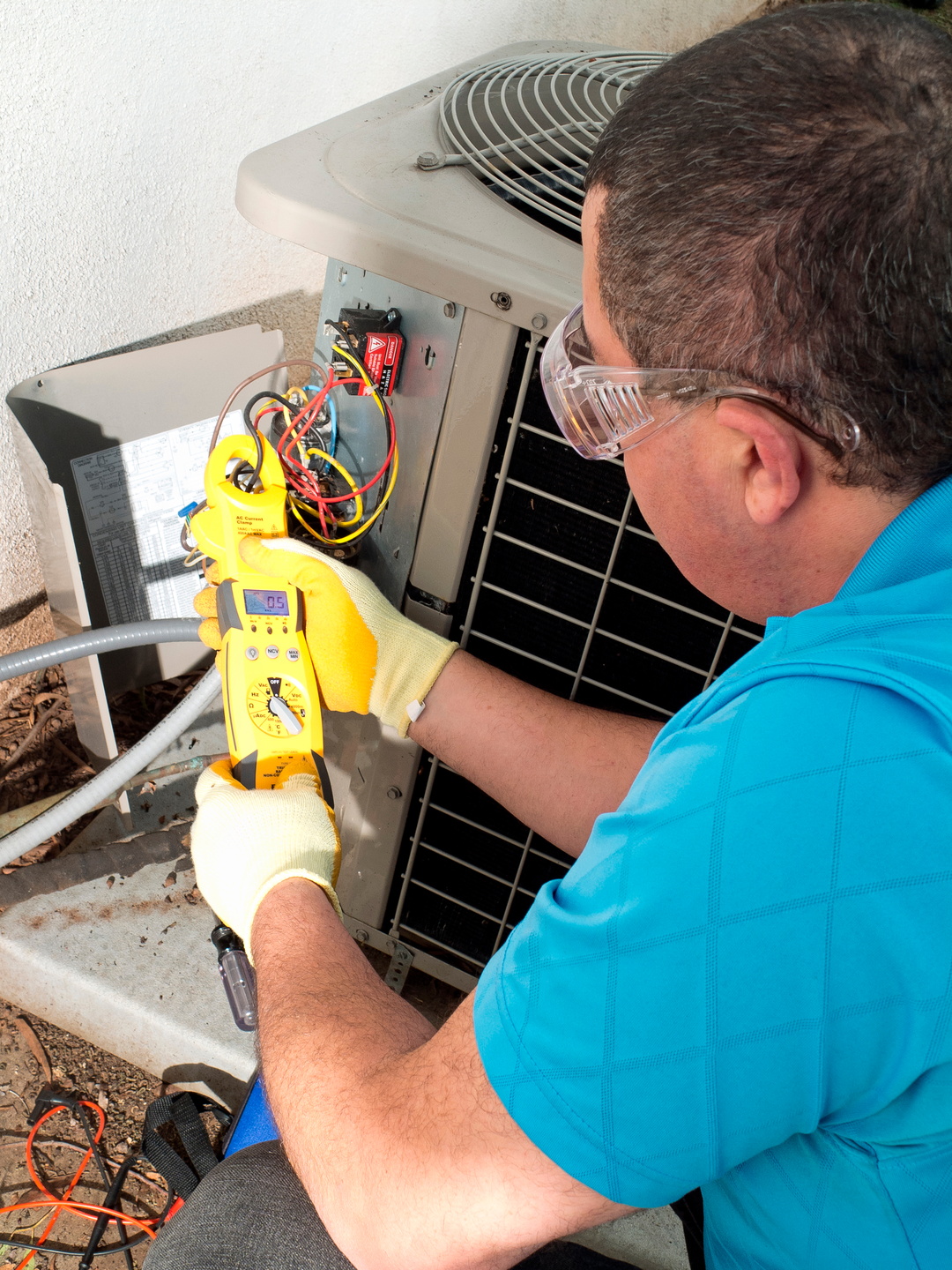
There’s one important rule of air conditioning that none of us can forget: you can’t have AC without refrigerant. If your air conditioner were to get rid of all the refrigerant coursing through its lines, it would inevitably turn into nothing more than a giant fan that didn’t do more than your average ceiling fan or box fan, which may signal it is time to consider your new AC installation options.
In fact, the refrigerant and the compressor is exactly what separates your air conditioner from a fan or other comfort system—it actually cools the air as opposed to circulating it and making it feel cooler. This is a big difference and something that might not be as easy to grasp for homeowners.
But how do you detect a refrigerant leak? And does a minor refrigerant leak still require AC repair in Grapevine, TX? This blog post will break down everything you need to know about refrigerant leaks so you can easily detect them and get your system fixed pronto.
Why AC Refrigerant Leaks Are a Serious Problem
Air conditioners require refrigerant to run properly. If even a minor amount of refrigerant is absent from your system, it will start working harder and running in more frequent cycles in order to compensate and meet the demand on your thermostat.
As we’ll get into below, this is always a problem and requires professional repairs.
How to Detect an AC Refrigerant Leak
So, what are the signs of a current refrigerant leak? Here are several:
- Hissing or bubbling noise. When refrigerant leaks out of the system, it can cause a hissing noise as the gas escapes. Or, in certain circumstances depending on where the leak is, oxygen can leak into the system and cause a bubbling noise. Both of these signal the need for repairs.
- High electricity bill. An air conditioner with a lower amount of refrigerant will cost more electricity to run on a regular basis.
- Lukewarm air. Like we mentioned at the beginning of this blog post, without refrigerant, your air conditioner is just an oversized fan. If it feels less like the AC is on and more like a fan is blowing warm air through your home, it might be lacking in refrigerant or need professional air conditioning installation services.
- Short cycling. An air conditioner will run in short, frequent cycles if it’s low on refrigerant to compensate for the difference.
When an AC Refrigerant Leak Needs Repair
Yes. Even the tiniest refrigerant leak that you detect very early on still requires professional support. Why? Here’s a good breakdown of why any refrigerant repair always requires repair.
Air conditioners are a closed-loop system, meaning they are set up with all of the refrigerant they will ever need. They don’t lose any refrigerant when they run and they theoretically shouldn’t need any additional refrigerant for the rest of their lifespans. It’s only when there’s a problem does the system start running out of this material. But when it does, it needs to work harder, consume more electricity, and the system generally suffers more stress. Your AC could succumb to a lower life expectancy, poor efficiency rates, and even worse home comfort as a result of even the most minor refrigerant leaks, making HVAC installation and replacement timing worth considering.
Frequently Asked Questions
Question: What are the common signs of a refrigerant leak in an air conditioner?
Answer: Common signs of a refrigerant leak include hissing or bubbling noises as gas escapes, higher electricity bills due to reduced system efficiency, lukewarm air from vents instead of cool air, and short cycling where the AC runs in frequent, brief cycles.
Question: Why does an air conditioner with a refrigerant leak cost more to run?
Answer: When refrigerant levels drop due to a leak, the AC must work harder to reach and maintain the thermostat setting. This increased effort uses more electricity, which raises energy bills and stresses the system.
Question: Does a minor refrigerant leak still need professional repair?
Answer: Yes. Even a small refrigerant leak requires professional HVAC service because air conditioners are designed as closed systems. Any lost refrigerant indicates a problem that affects efficiency, longevity, and comfort.
Question: How does a refrigerant leak affect the performance of an AC system?
Answer: A refrigerant leak reduces cooling capacity, makes the system work harder, and can lead to poor comfort, increased wear on components, and reduced life expectancy if not addressed quickly.
Question: What should I do if I suspect my AC has a refrigerant leak?
Answer: If you notice signs like warm air, hissing sounds, or rising energy bills, contact a qualified HVAC technician for leak detection and repair. They have the tools and training to safely locate and fix the leak.
Since 1971, customers have trusted Coventry & Gattis A/C, Inc. for their AC repairs. Schedule an appointment today.