
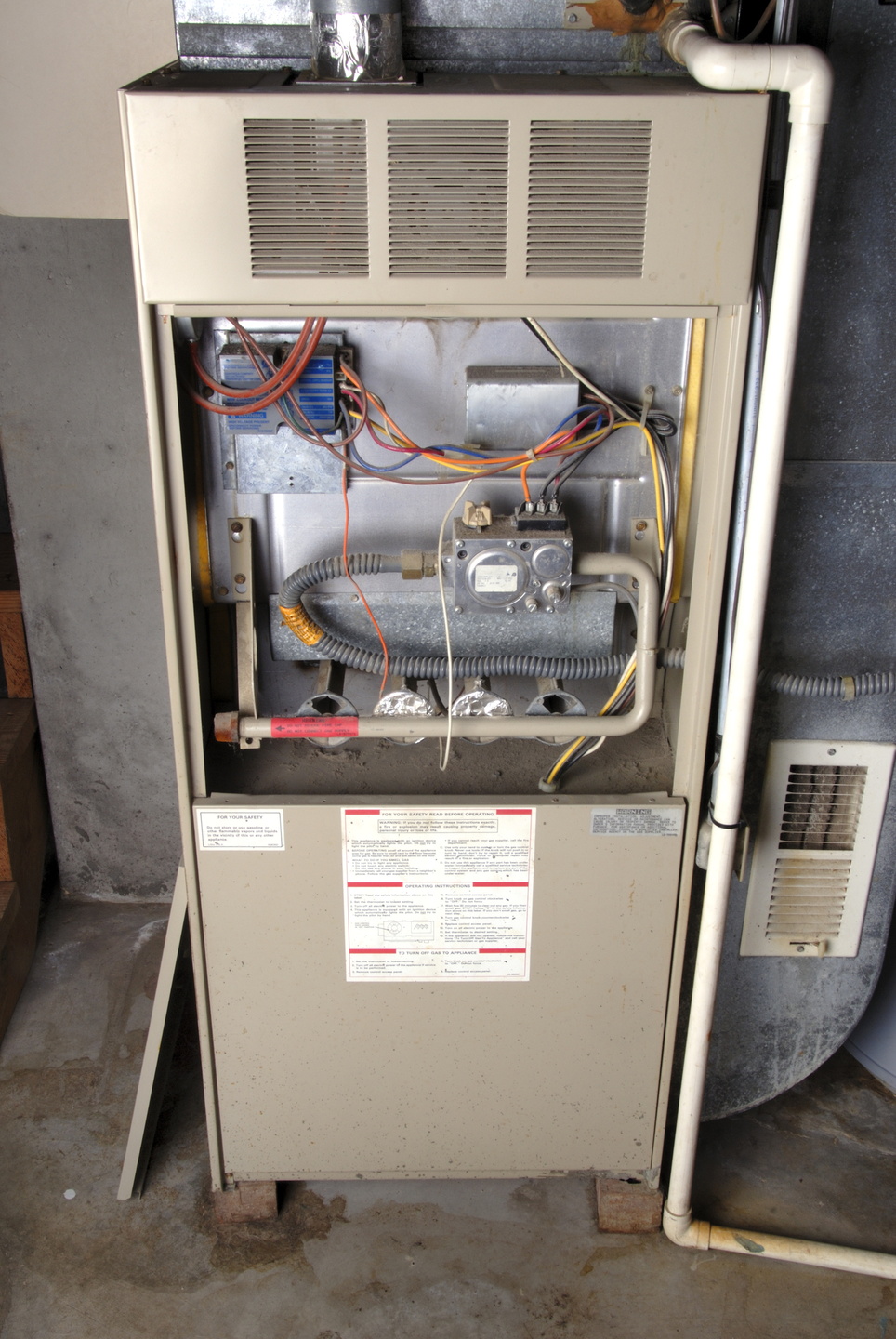
The term “repair” is often one that brings an immense amount of stress to customers in our area. Whether it’s hearing that your car needs a “repair” or your HVAC system needs a “fix,” it’s often going to make you think about the draining numbers in your bank account, and the month of tightened expenses that will make you watch everything you buy.
Unfortunately, this is a real truth for a lot of people—and things might not get much easier. We totally understand that, and we want to start this blog off by validating your feelings. Choosing how to pay for things like heating repair in Grapevine, TX is a real struggle, and something that shouldn’t be taken lightly. If you’re considering alternatives to constant repairs, here’s a detailed guide on how heat pumps work and why they may be a smarter replacement in the long run.
However, we’d like to break down why heating repairs cost as much as they do, and how your heating repairs might actually save you money compared to the eventual early replacement that could be on the horizon if you skip them.
When Is HVAC Repair Worth the Cost?
HVAC repair service is worth the cost when:
- The system is less than 10 to 15 years old
- Repairs cost significantly less than full system replacement
- The issue is isolated, such as a thermostat, capacitor, or minor component
- The system has been regularly maintained
- Energy efficiency and performance can be restored affordably
If repair costs approach half the price of replacement or breakdowns become frequent, replacing the system may be the more cost-effective long-term solution.
When to Skip a Heating Repair and Consider Replacement Instead
No, not really. We know that might not be what you want to hear, but it’s the truth. Heating repairs, especially when recommended by a licensed HVAC technician, are usually to avoid some pretty catastrophic results.
For instance, a repair could keep your heating system from breaking down entirely or from running your heating bill up to the point where you’re paying 20% more per month. Remember, a broken heater is going to run less efficiently and effectively than a heating system that’s been fixed, so your neglected heating system might cause you more problems if you don’t get it repaired, when compared to getting it quickly fixed. If your system’s damage is too far gone, a ductless heat pump might be a flexible and cost-effective alternative.
So, while the timeline and service can be negotiated, you can’t really skip out on heating repairs.
What Drives the Cost of Heating Repairs? Key Factors Explained
Well, heating systems have gotten complex in the past 20 years. As efficiency and comfort have become a top priority for homeowners, systems have been outfitted with powerful components to ensure they operate as safely, efficiently, and effectively as possible. Electric ignition systems, sensor devices, and even powerful blower motors can keep an entire home heated on a chilly day without a hitch. But when these components fail, they need to be fixed.
Licensed technicians train a lot and are compensated appropriately when they work for a company that cares about them. Even if repairs are more expensive than they used to be, know that you’re getting more out of your HVAC system, getting a better relationship with a good technician, and are supporting a local company that treats employees well.
Understanding the Long-Term Value and ROI of Heating Repairs
Repairs are a necessity when you have a heating system. Just like car repairs when you rely on your car for commuting to work, a heating system is required if you’re going to make it through a winter comfortably.
The true value of repairs is that they keep your heater running efficiently and effectively. You’ll pay less on heating bills and on future repairs or an early replacement if you get your system promptly fixed when something seems wrong. If you’re not sure whether your issue warrants repair or full replacement, this quick guide on detecting heater malfunctions from unusual smells might help you spot early warning signs.
Frequently Asked Questions
Question: Why do heating repairs sometimes cost more than expected?
Answer: Heating repairs can become expensive when small issues are ignored and turn into larger mechanical problems. Costs may also rise if major components such as the heat exchanger, blower motor, or control board need replacement. The age of the system and availability of parts can also impact pricing.
Question: How can I tell if a heating repair is worth the cost?
Answer: A common guideline is to compare the repair cost to the age and condition of your system. If the repair is significant and your unit is nearing the end of its lifespan, replacement may be more cost effective. A professional inspection can help you make an informed decision.
Question: What are common heating repairs that affect pricing?
Answer: Common heating repairs include fixing ignition systems, replacing blower motors, repairing thermostats, and addressing airflow issues. Minor repairs are typically affordable, but larger mechanical failures or repeated service calls can increase overall expenses and signal deeper system problems.
Question: Can regular maintenance reduce heating repair costs?
Answer: Yes. Routine heating maintenance helps identify worn or failing parts early, improves efficiency, and reduces the likelihood of sudden breakdowns. Preventative service often costs far less than emergency repairs and can extend the life of your heating system.
Question: When should I consider replacing my heating system instead of repairing it?
Answer: You should consider replacement if your system requires frequent repairs, struggles to heat your home evenly, or is more than 15 to 20 years old. Rising energy bills and declining performance are also signs that upgrading may be a smarter long term investment.
Schedule repairs with a team that’s been trusted since 1971, like Coventry & Gattis A/C, Inc.